Sports event management: how to organize world-class competitions and experiences
12th October, 2025
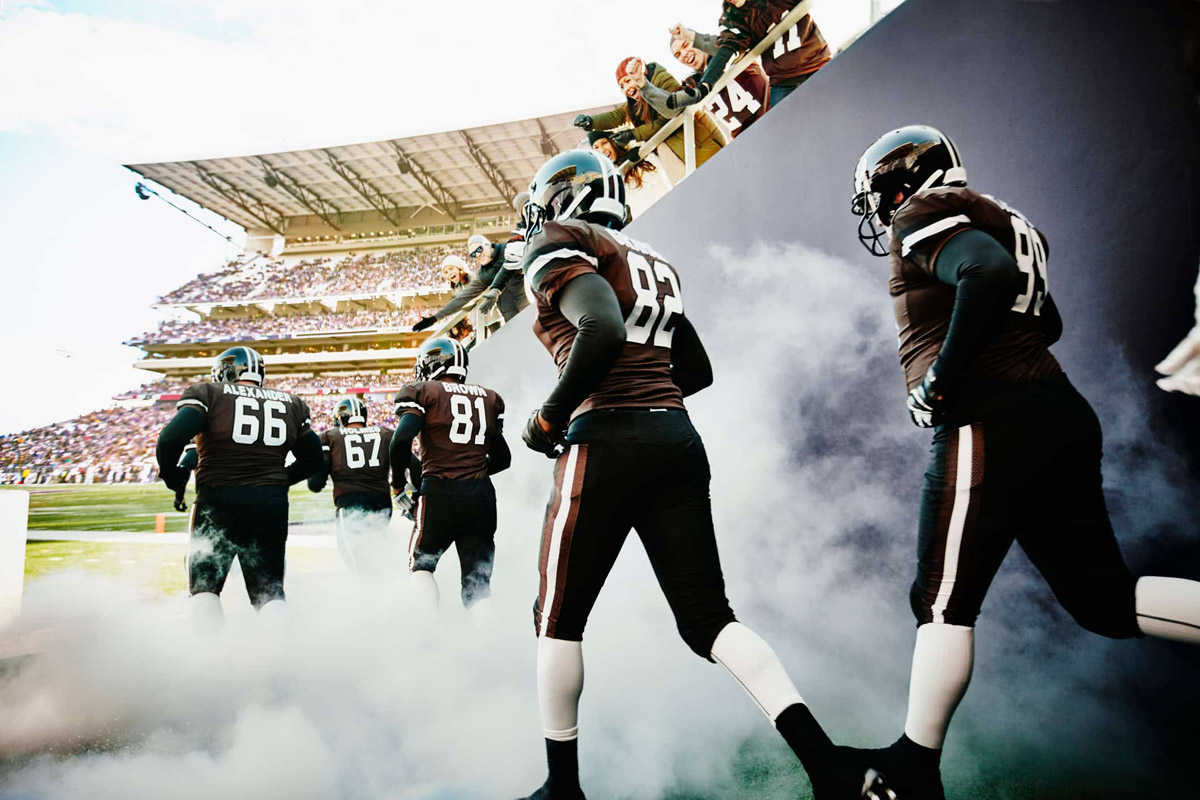
Some of the most prestigious, high-profile and well-known events in the world are in the sports sector and they range from international tournaments to local community matches. Naturally, those who organize them enjoy a career path that offers variety, purpose and a front-row seat to the action. If you want to organize sports events, you’ll need a broad range of skills, including good coordination, teamwork and a genuine passion for your chosen field.
This guide explores how sports event management works, from booking venues and securing sponsors to managing media, fans and athletes. You’ll discover the key aptitudes you need, the roles you can pursue and what’s required to break into the industry.
What is sports event management
From local leagues and city marathons to international games and major championships, there’s always a dedicated team working behind the scenes to make it all happen. That’s the essence of sports event management: planning, organizing, promoting and delivering competitions of all types.
Professionals in this field typically handle aspects such as logistics, safety, sponsorships, staffing, branding, ticketing and hospitality.
Some work directly for teams, leagues or sports event management companies, while others are employed by venues, marketing agencies or run their own businesses. As international competitions and digital streaming continue to grow, the demand for skilled sports event managers is steadily rising.

What makes a great sports event manager
Success in this industry requires a combination of practical skills, personal strengths and the ability to stay calm under pressure. Those who also enjoy planning and working with people are the ones who thrive.
Managing vendors, venues and visitors simultaneously is part of the job, as is flexibility, especially when working across time zones or under tight schedules.
Among the essential skills required are:
- Organizational skills: handling multiple schedules, teams and partners, booking sports facilities, tracking budgets and setting timelines mean you need to be well organized
- People skills: clear communication helps when working with athletes, sponsors, suppliers and volunteers. Responding with empathy and keeping the team aligned makes everything run smoothly
- Creativity: fresh ideas help events stand out and gain attention. Unique features, such as interactive fan zones, themed entertainment or augmented reality experiences, increase engagement and leave fans with lasting memories
- Stress resilience: live events often bring unexpected challenges. Weather delays, tech issues or missing equipment can happen at any time, so you need to remain calm under pressure and be able to deal with any eventuality
- Attention to detail: minor errors can have major impacts, so details such as signage, credentials, catering and media access must all be accurate
How to plan a world-class sports event: a step-by-step breakdown
Organizing a successful event requires a solid framework, well-defined objectives and ongoing coordination among teams and vendors. Below, we’ll look at the typical steps professionals take when planning and executing their events.
1. Event setup and logistics
Start with a clear plan. Define the goals, audience and type of event, such as a race, exhibition match or tournament. Location and timing matter too, while you will also need to look after logistics, which includes permits, insurance, equipment, accommodation and travel arrangements. For international sporting events, you will need to manage customs, visas and athlete movement across borders.
2. Budgeting and sponsorship
Large sporting events are costly, so you’ll need to build a detailed budget and perhaps create a sponsorship proposal. Sponsorship opportunities can include digital signage, brand booths or VIP experiences, which can attract companies, sports marketing agencies or local sponsors to help fund your event.
3. Venue and infrastructure
Choosing the right location involves considering factors such as capacity, accessibility, proximity to hotels and available amenities. Venue managers typically look for features such as locker rooms, media spaces and facilities for guests with disabilities. Certain events may also require temporary installations, including lighting, video screens or contactless entry systems. Today’s ticketing systems often use mobile check-ins, contactless payments and smart wristbands for a more streamlined experience.
4. Marketing and ticketing
Create buzz with digital ads, influencer outreach and press coverage. Good marketing highlights the event, experience and community impact. Promote early bird offers, group rates and ticket buying through mobile apps. In global cities, sports tourism strategists help attract fans who travel to attend sporting events.
5. Stakeholder coordination
Events run smoother when everyone is aligned. That means ongoing communication with athletes, sponsors, security, media and volunteers. Managers in sports event companies often take charge of these details, overseeing schedules and providing updates to help reduce confusion during last-minute changes.
6. Health, safety and compliance
Set up first-aid stations, conduct safety checks and ensure emergency exits are clearly marked. You’ll need insurance and safeguarding policies. Athlete support is also key, so you’ll need to offer access to healthcare, rest zones and performance recovery tools.
7. Fan experience
Besides the main event, audiences remember other factors, such as parking, apps, merchandise and entertainment. At larger events, you may want to consider putting on celebrity performances and including fan zones or themed lounges. And with sustainability increasingly a requirement, you may need to provide eco-friendly solutions such as reusable cups, recycling stations or digital tickets.
Gain a comprehensive understanding of the management, business and operational aspects of sports organizations and events.

Career options in sports event management
There are many exciting roles available at local, national and global levels. Sports event managers may shape grassroots programs, coordinate international fixtures or support youth initiatives in their communities. Below are some of the main options for those pursuing a career in this field.
Event director or coordinator
Run the show by planning schedules, assigning roles, booking vendors and handling real-time issues. In major tournaments, directors collaborate with other specialists in, for example, logistics, finance and sports psychology, while at smaller events, one coordinator may lead everything.
Sponsorship or partnerships manager
Professionals who can secure deals with brands and ensure all promised deliverables, such as advertising, mentions or VIP events, are fulfilled. To succeed in this position, you’ll need strong sales skills, a solid understanding of branding and a genuine passion for sports. You may also work closely with marketing teams, collaborating with brands, influencers and media outlets to maximize the reach and impact of your events.
Operations manager
Look after behind-the-scenes logistics, including vendor setup, utilities and security. Operations managers are responsible for creating detailed contingency plans for emergencies and ensuring all systems remain functional throughout the event.
In some cases, they may need technical know-how, such as understanding HTTP response code 503 or using security plugins to troubleshoot issues such as ticketing failures. They may also use big data analytics to help predict crowd flow and optimize event layouts.
Hospitality and VIP services
High-end guests, who may include coaching staff, celebrities or brand ambassadors, expect a refined experience, exclusive zones, gourmet meals and personalized seating. If you’re in charge of hospitality and VIP services, you’ll be expected to deliver these and elevate the event into a luxurious happening.
Media and communications
Planning press coverage, managing athlete interviews and streaming events online are just some of the key tasks handled by these professionals. Social media platforms are also a major focus, where real-time content boosts fan engagement. Event media and communications teams may also publish match-day summaries on their websites and mobile apps to keep fans informed.
Athlete and team liaison
Handling logistics for athletes, including flights, meals, gear and schedules. These professionals work closely with coaching staff, team managers and health personnel to solve problems quickly. In international roles, they also use their communication skills to coordinate across languages and cultures, essential when working with global clubs or teams.
Venue and ticketing manager
This role involves setting pricing, designing seating layouts and managing access and support. Venue and ticketing managers work closely with technical teams to configure administrative privileges and implement entry systems that can control fan access on game day.
Today, many professionals in this role pursue sports management certifications or formal degrees in event management to give them the edge in a competitive industry.
Event technology and data
This fast-growing area covers the use of software and digital tools for registration, scoring, feedback and fan engagement. The role calls for a blend of tech and creativity and involves deploying all sorts of advanced tools, from facial recognition check-ins to real-time performance dashboards.
How to break into the industry
There are many paths to becoming a sports event manager. But to truly advance in the industry, you’ll need to build the relevant skills, gain experience and grow your network. Below are the steps most successful managers take.
Study a dedicated program
An event management degree provides a solid foundation and covers topics such as sponsorship, logistics, budgeting, fan engagement and legal issues. You’ll also work closely with instructors, industry mentors and an admissions counselor to help set your career goals.
Volunteer at sporting events
Working at sports events on a voluntary basis gives you real-world experience and helps you build contacts early. Many large and small events rely on extra help, so your contribution can build goodwill and establish your reputation as a hard worker. Events focused on athletes giving back to their communities are also a great way to learn about values-driven sports culture.
Start small to go big
Getting involved in a university sports day or a local five-a-side league can teach you how events are run from start to finish. These smaller projects provide valuable hands-on experience and may even connect you with community-focused events or business-for-good initiatives.
Intern with agencies or clubs
Many sports-related organizations offer internships that allow you to explore different aspects of the industry, including logistics, fan engagement or social media. You may also get the opportunity to provide administrative support, adding another skill to your toolkit.
Build a portfolio
Keep a record of your experience. Include photos, checklists, social media content or budgets you’ve managed. Projects involving digital video production are especially useful for showcasing your ability to connect with fans or sponsors.
Whether you’re managing local festivals or global tournaments, each experience adds to your confidence and ability.
Why study sports management and events at a global institution
Gaining a competitive edge often begins with choosing the right place to study. At a leading institution, you’ll learn how major sports events are planned, promoted and delivered in the real world.
A reputable event management degree combines classroom learning with practical training. You’ll work on group projects that mirror real industry challenges, plan mock events, solve problems with a team and build the confidence to take on live gatherings. These hands-on activities help you understand how to manage events across different cultures, time zones and industries.
At Les Roches, the Master of Science in Sport Management and Events is built to reflect how the global industry really works. The program includes:
- Internships with sports clubs, event agencies or global sports brands
- Faculty with real experience managing international events
- Projects that simulate planning, budgeting or pitching sponsors
- Access to tools such as data analytics dashboards for tracking performance
- Guest sessions with PR professionals who work at major events such as the Olympics, in Formula 1 or for major league sports teams
- A diverse student group to help you gain cross-cultural insights
This advanced degree will enable you to build the skills, experience and connections to help you stand out no matter where your career takes you.
Main Image – gettyimages Credit: Thomas Barwick
Take the next step toward managing global sports events
Master the strategy, creativity and leadership behind the world’s biggest sporting experiences. This program opens doors to international careers in a fast-paced, dynamic industry.
MASTER OF SCIENCE IN SPORT MANAGEMENT AND EVENTS
Related industry news

Industry News


Industry News