Hotel star ratings: what they mean and why they matter
9th October, 2025
In this article
- What are hotel star ratings?
- What can you learn in an online hotel management course?
- Who decides hotel star ratings?
- Why star ratings matter for hotels
- The challenges of maintaining a high star rating
- How hospitality education prepares you to deliver at every level
- Conclusion: stars are only the start
We’ve all seen them, those little stars next to a hotel’s name when scrolling through booking sites or planning a trip. They seem simple and widely understood, but ask 10 people what they actually mean and you’ll likely get the same number of different answers.
Are five stars always better than four? Who decides how many stars a hotel gets? And why do some high-end boutique hotels have no stars at all? This guide answers all that and more, so you’ll know exactly what these ratings mean the next time you see them.
What are hotel star ratings?
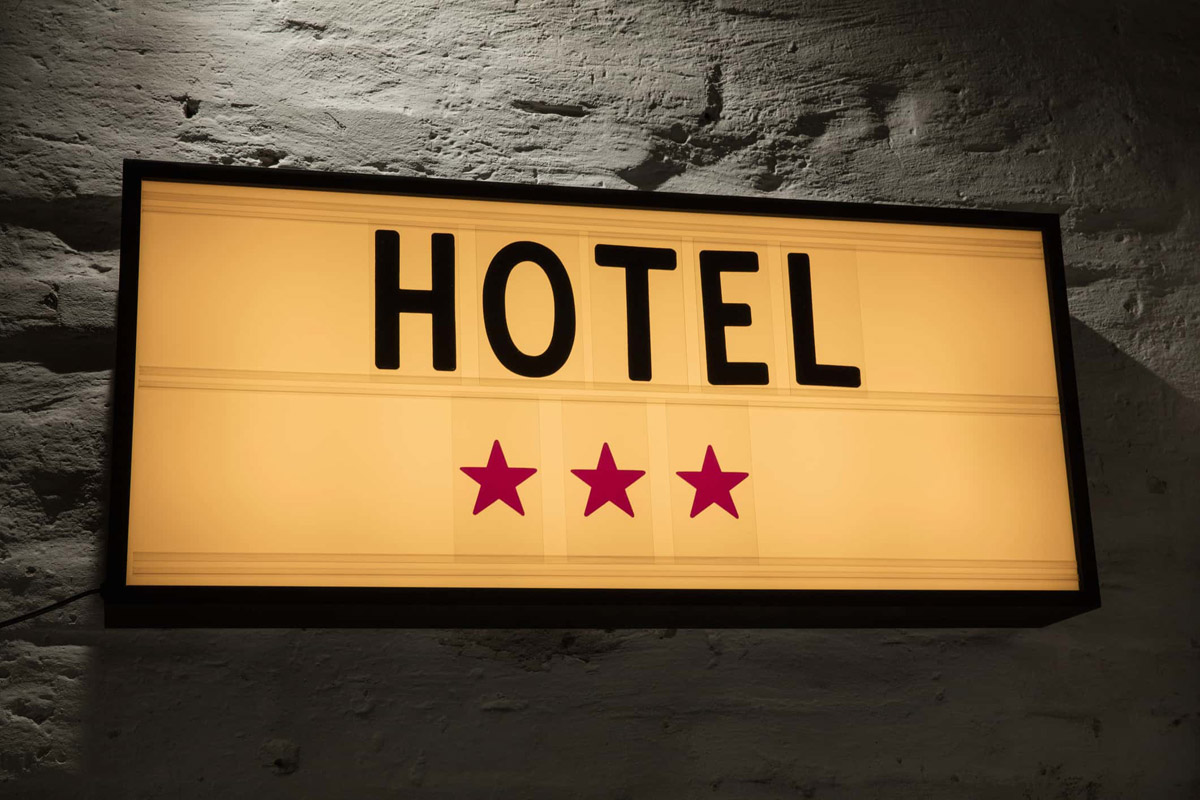
Hotel star ratings are one of the most recognized indicators of quality in the hospitality industry, yet they are often misunderstood. At their core, star ratings reflect the level of service, amenities, and overall experience a hotel provides. Generally, more stars indicate a higher standard of comfort and service.
For travelers, these ratings help shape expectations and guide booking decisions. For hospitality professionals, they influence pricing strategies, service offerings, staffing levels, and revenue management. For future hotel managers, star ratings act as benchmarks for operational excellence.
Understanding what each star level represents is essential for professionals in the industry and helpful for anyone booking accommodation with confidence. The next section breaks down the typical standards associated with each rating.

What each star rating typically means
While definitions and standards can vary significantly by country, most hotel star ratings follow the general framework outlined below:
1-star hotels: functional and budget-friendly
These properties offer the bare essentials: clean rooms, basic hotel amenities and limited service. Think hostels, motels or simple bed-and-breakfasts with minimal in-room amenities. They cater to budget travelers who prioritize price over comfort.
2-star hotels: basic comfort with added convenience
Expect a slightly more comfortable stay that features private bathrooms, daily housekeeping and possibly a small café or vending area. Front desks may operate for extended hours and basic tech amenities, such as Wi-Fi, are usually available. These hotels often appeal to solo travelers or those looking for a quick stopover.
3-star hotels: consistent quality at a mid-range price
This category balances value and comfort. Facilities such as 24-hour reception, on-site dining, conference rooms and fitness centers are common. Guests can expect courteous front-desk service, upgraded décor and dependable service. This tier is popular with business travelers and families.
4-star hotels: upscale accommodation with premium service
Guests can expect spacious rooms, stylish interiors and higher-level amenities such as concierge services, multiple on-site restaurants, room service, pools, spas and valet parking. Staff are trained to anticipate guest needs and personalize the experience, adhering to elevated service standards.
5-star hotels: luxury lodging and personalised experiences
These high-end properties offer bespoke service, top-tier hotel amenities and an extensive range of facilities, including personal butlers, fine dining, wellness retreats and curated experiences. Often found in prestigious global chains or exclusive independent brands, examples include the Mandarin Oriental Palace and Montage Big Sky.
Though some properties market themselves as ‘7-star’, such as the Burj Al Arab in Dubai, it’s worth noting no independent organizations officially recognize anything above five stars. These are self-declared and used primarily for branding purposes rather than formal classification.
Who decides hotel star ratings?
Hotel star ratings are not determined by a single global authority. Instead, they are assigned by various organizations around the world, including government tourism boards, private rating agencies, travel associations, and booking platforms. As a result, rating systems vary significantly depending on the country and organization involved.
In France, the French Tourism Development Agency (Atout France) oversees hotel classifications. Hotels are evaluated against more than 200 criteria, including room size, amenities, accessibility, and sustainability efforts. In the UK, the AA (Automobile Association) and VisitEngland run similar systems based on inspections and guest experience.
In the United States, star ratings are typically assigned by independent agencies such as Forbes Travel Guide and AAA Diamond Ratings, both of which rely on professional inspections. More recently, the MICHELIN Key Guide has entered the hotel space, offering a new level of recognition for luxury properties, though its coverage remains limited.
Why hotel star ratings are often misunderstood
Due to the lack of a universal standard governing how they’re assigned, a 4-star hotel in Tokyo may differ greatly from a 4-star hotel in Pennsylvania. Yet many people assume these ratings are standardized globally. In some cases, a stylish 3-star boutique hotel might feel more luxurious than an aging 5-star resort.
Some countries, including those in the European Hotelstars Union, aim to harmonize criteria, but achieving global consistency remains a challenge. Many hotels also opt out of official classifications, focusing instead on customer reviews, social media marketing or unique branding strategies to attract guests.
Adding to the confusion, online travel agencies such as Booking.com and Expedia display their own ratings based on customer feedback, not official standards. This blurs the line between verified quality and perceived popularity.
Why star ratings matter for hotels
Classification can have a real business impact. From a guest perspective, they serve as a quick reference for the type and quality of accommodation. They help set expectations, influence booking decisions and shape perceptions of value.
For instance, a well-run 3-star hotel with clean rooms and friendly staff can fully meet guest expectations, while a 5-star hotel that underdelivers may result in negative reviews and damage to its long-term reputation.
For hoteliers, ratings are tied to:
- Revenue management strategies and pricing
- Search visibility on hotel booking engines
- Segmentation for marketing collateral
- Compliance with regional rating authorities
- Qualification for loyalty programs and corporate contracts
Some star levels come with legal or tax implications. For instance, in some European cities, luxury lodging is taxed at a higher rate. Others require specific hotel management system capabilities, staff ratios or minimum room sizes.
In short, hotel star ratings influence nearly every aspect of how a hotel is marketed, operated and experienced.
The challenges of maintaining a high star rating
Achieving a certain level is one thing; maintaining it, especially with today’s tech-savvy, experience-driven travelers, can be quite another.
Consistency is everything
A 5-star property must deliver excellence every day across every touchpoint. That means well-trained staff, spotless rooms and consistent service delivery, even in the early hours of the morning or during peak check-in times. Falling short in one area can jeopardize the entire rating.
Training and staffing
Luxury hotels require specialized teams for areas such as concierge, housekeeping, wellness and F&B. Staff need training in guest experience, service recovery, technology tools and cross-cultural communication. Recruiting and retaining talent is key, especially in remote destinations or seasonal resorts.
Ongoing investment
Hotel ratings partly reflect the quality of infrastructure, including guest rooms, spa facilities and dining outlets. Older buildings may need to be retrofitted to meet modern expectations, such as air conditioning, digital check-in or voice-activated room controls.
Environmental certifications such as Green Globe, Green Key International or Salam Standard can help improve perception but also add complexity to upkeep and inspection.
Increased demands
Today’s guests want sustainability, wellness, convenience and seamless digital touchpoints. This raises the bar even for established hotels, pushing them to integrate channel management tools, app-based check-ins and faster issue resolution.
From service design to quality control, hospitality degrees equip students with the skills that keep hotels at the top of their game.

How hospitality education prepares you to deliver at every level
Understanding hotel star ratings is important, but delivering the standards that underpin them is what truly matters. That’s where formal hospitality education becomes invaluable. It teaches you how to manage a hotel effectively while also building expertise in service quality and leadership.
Core competencies for hospitality careers
Leading hospitality management degrees cover all aspects of hotel operations, including housekeeping, front office systems, food and beverage service and revenue management. These programs combine academic theory with practical application, teaching students how to anticipate guest needs, manage diverse teams and ensure efficient service delivery.
Many courses also explore sustainability in hospitality, hotel marketing, customer experience design and financial performance. Whether you’re pursuing a role as a general manager, spa and wellness director, revenue analyst or head of operations, a hospitality degree equips you with the knowledge and tools for long-term success in the industry.
Real-world learning
At institutions such as Les Roches, learning is hands-on. Students participate in operational simulations, complete internships with global hotel brands and work on real-world business projects.
This gives them the practical experience they need to meet hotel rating system criteria and exceed guest expectations with creativity, confidence and adaptability.
If you need more flexibility, you can still develop these skills through an online hotel management course, giving you access to international education without having to pause your hospitality career.
Conclusion: stars are only the start
Hotel star ratings provide a helpful benchmark for understanding quality, service levels and expected amenities. For hospitality professionals, they guide strategic decisions and operational frameworks, while for guests, they offer reassurance. But ultimately, what defines a hotel experience goes far beyond the plaque on the wall.
Those who succeed in hospitality today are the ones who create moments guests remember, not just meet rating standards. With the right education, a commitment to excellence and a passion for service, you can shape those experiences and lead the kind of hotel that truly earns its stars.
Main Image – gettyimages Credit: Caspar Benson
Want to lead a top-rated hotel?
Build the operational, leadership and service design skills that define the world’s best hospitality brands.
Explore the bachelor in hospitality management
Related industry news



Hospitality Careers
Hospitality Careers