Hotel event management: planning seamless events in the hospitality industry
3rd October, 2025
In this article
- Why hotel event management matters
- Key elements of successful hotel event planning
- Tools of the trade: hotel event management software
- Skills and career paths in event hotel management
- Case studies: hotels that get event planning right
- How to get started in hotel event management
- The future of hotel event management
- Final thoughts: your journey starts here
Look inside the hospitality industry today and you’ll find that modern hotels go beyond offering a place to sleep; they host celebrations, spark connections and gather communities. From intimate wedding receptions and corporate events to high-profile product launches, hotels have become hubs for memorable events. This shift has elevated hotel event management from a support service to a core revenue driver.
Behind every successful event is a seamless blend of careful planning, creativity and operational skill. That’s where event managers come in, crafting event experiences that meet and exceed guest expectations. As guest demands evolve and hybrid event types rise in popularity, event management is becoming more strategic, tech-driven and essential.
Whether you’re looking to build a career in hospitality and event management or exploring how to run smoother events in your hotel, understanding the fundamentals of hotel event planning is a smart place to start.
Why hotel event management matters
Well-executed events improve the hotel’s reputation, generate new business through referrals and foster client loyalty. And the financial impact? It can be huge. Events often lead to increased bookings, catering revenue and long-term partnerships, especially in the luxury and corporate markets.
Hotels that offer tailored, professional event planning solutions are better positioned to attract lucrative clientele. Consider destination weddings, which bring dozens of guests for multi-day stays or international corporate meetings that fill hundreds of rooms and bring global exposure.
And while the event space might impress guests initially, it’s the event management team and delivery that truly define the memorable experience. That’s why the role of a hotel event manager is so crucial. They’re event planners cum multitasking problem-solvers who bring a vision to life while keeping everything running smoothly behind the scenes.
What does a hotel event manager do, exactly? Their responsibilities might include:
- Meeting with clients to define event proposals
- Coordinating with hotel staff across departments
- Managing event budgets and timelines
- Overseeing vendor relationships and audiovisual equipment
- Handling on-the-day event logistics
- Ensuring client satisfaction at every touchpoint
This cross-functional hospitality role means a good event manager needs to speak the language of chefs, catering managers, AV technicians, front desk staff and C-suite speakers all in one day.

Key elements of successful hotel event planning
When planning a successful hotel event, a checklist is the basic requirement, but you need more. It’s a creative, collaborative process that balances logistics with event design. While every event is different, there are key stages that form the foundation of a comprehensive event plan:
1. The client brief
This is the moment to listen. Whether it’s a couple planning their wedding or a company organizing a banquet event, getting to the heart of what they want and what success looks like is the first step.
2. Budget and proposal
Here, the hotel event manager sets expectations around what’s achievable, outlining options that match the client’s vision and financial planning.
3. Planning and coordination
This phase involves aligning all the moving parts across internal catering teams, external vendors and the broader event management platform, from menu tastings and floral design to AV equipment setup and seating charts.
4. Execution
On event day, it’s all about staying calm under pressure. The event captain oversees everything, from guest arrival to final clean-up, solving real-time problems and keeping the schedule on track.
5. Post-event follow-up
Gathering feedback from clients, evaluating what worked and thanking them are often overlooked but vital steps in maintaining strong relationships and improving future events.
Hotel event planning is a crucial role that requires emotional intelligence, attention to detail and stamina. And while it can be incredibly rewarding, the job is not for the faint-hearted.
Explore our degree programs designed for aspiring hotel event managers. Learn the business, master the logistics and get hands-on experience in real-world luxury hospitality.

Tools of the trade: hotel event management software
While the human touch is irreplaceable, technology plays a central role in modern hotel event management. Today’s event managers are expected to juggle complex timelines, multiple stakeholders and increasingly hybrid formats. That’s where hotel event management software comes in.
These platforms simplify the entire lifecycle of planning and improve collaboration. Key features often include:
- Guest list management: handle RSVPs, dietary restrictions, seating charts and more in one place
- Real-time communication tools: keep vendors and hotel staff updated instantly
- Timeline visualization: track deadlines and schedules across departments
- Custom floor plans: design layouts for meeting rooms and ballrooms with drag-and-drop tools
- Reporting and analytics: measure success, gather client feedback and track event ROI
Popular platforms like Event Temple, Tripleseat, Social Tables and Cvent have become staples in the events industry. Not only do they reduce the risk of errors, but they also give event management teams more time to focus on delivering memorable experiences.
Used well, hotel event management software elevates the planner. It allows them to be more proactive, responsive and efficient, especially when managing larger events across multiple event spaces or brands.
Investing in the right event management systems is a must for hotels looking to scale their events business. Just as important is training house staff to use it effectively, integrating it into daily operations and combining it with strong interpersonal skills.
Skills and career paths in event hotel management
Behind every memorable event is a planner with poise, vision and a clear grasp of event logistics. A career in hotel event management offers a wide range of career opportunities, spanning operational, creative and leadership roles.
The key traits of a hotel event manager:
A successful event manager blends discipline with creativity. The most effective professionals in this field often possess the following traits:
- Organized but flexible: last-minute changes are part of the job. Managing unexpected updates with calm and precision is essential
- Empathetic and client-focused: understanding a client’s goals, stressors and expectations helps build trust and deliver standout results
- A clear communicator: event managers work with diverse teams. Clear, timely communication across hotel departments and vendors is crucial
- Detail-driven: minor oversights can impact the entire event experience, so precision matters
- Calm under pressure: the best event managers lead confidently through challenges without disrupting the flow of an event
These traits can be strengthened through hands-on experience and structured education. A degree in event management, such as a Bachelor of Science in Global Hospitality Management, builds a strong foundation in hospitality operations, financial planning, event design and guest service.
Graduates often begin in entry-level roles like:
- Event coordinator
- Banquet event assistant
- Event sales associate
- Catering service support
With experience, they can progress to positions such as:
- Hotel event manager
- Head of events
- Venue manager
- Director of events
Those aiming to lead strategic operations or launch ventures in the events industry often pursue advanced qualifications like an MBA in hospitality management.
Case studies: hotels that get event planning right
Some hotels set the gold standard in the event management industry. Let’s explore three standout examples:
1. The Ritz-Carlton: luxury through personalization
The Ritz-Carlton delivers memorable events with a focus on luxury and attention to detail. Whether it’s a diplomatic reception or a private wedding, their teams personalize every element, from custom welcome gifts to curated entertainment.
2. W Hotels: creative, trend-setting events
Art, music and fashion form part of the W Hotels events ecosystem. Their planners use interactive speaker formats, crowd-sourced speakers and immersive field trips to design edgy, unforgettable events for modern audiences.
3. Mandarin Oriental: cultural sophistication
With a reputation for refined service, Mandarin Oriental tailors events with cultural depth. Their catering team, AV support and event logistics staff work together to deliver seamless, culturally informed experiences.
How to get started in hotel event management
For students and professionals looking to break into the industry, the path is more accessible than it might seem. The hospitality industry thrives on passion, commitment and real-world experience, meaning you don’t need decades of work behind you to get started.
1. Start with the right education
A hospitality and event management degree with internships exposes you to real-life scenarios. Programs like Les Roches include interactive learning and event management training that accelerate readiness.
If you already have some industry experience or want to pivot into event leadership roles, the MBA in hospitality management can equip you with advanced commercial skills to oversee large-scale operations and lead event strategy.
2. Gain practical experience
Work at local events, volunteer for event registration experience or support event activities at school. These opportunities develop your instincts for timing, troubleshooting and team coordination.
3. Build your network early
The events industry thrives on people. Connect with mentors, attend trade shows and seek out informational interviews. Relationships built now can open doors later.
4. Keep up with trends and tech
Read industry publications and use tools such as catering software and block management solutions to understand how the event scene is evolving. Stay curious about developments in event tech and client database tools.
The future of hotel event management
Several trends will shape the future of hotel event planning:
1. Sustainability will take center stage
Eco-friendly catering, reduced waste and sustainable materials are becoming essential. Guests and planners alike are seeking more responsible solutions.
2. Hybrid events are the new normal
Post-pandemic, hybrid events remain in demand. Event planners must balance in-person and virtual experiences seamlessly using event management platforms and audiovisual equipment.
3. Technology will empower planners
AI and automation will support the booking process, venue layout design and guest communications. While tech supports efficiency, human creativity will remain irreplaceable.
Final thoughts: your journey starts here
Hotel event management combines creative ambition with operational excellence. Whether you’re drawn to designing special events, optimizing revenue management or building a career in the global hospitality industry, this field offers immense opportunities.
The industry needs event planners who think big, care deeply and act fast. If that sounds like you, it may be time to step into one of hospitality’s most dynamic roles.
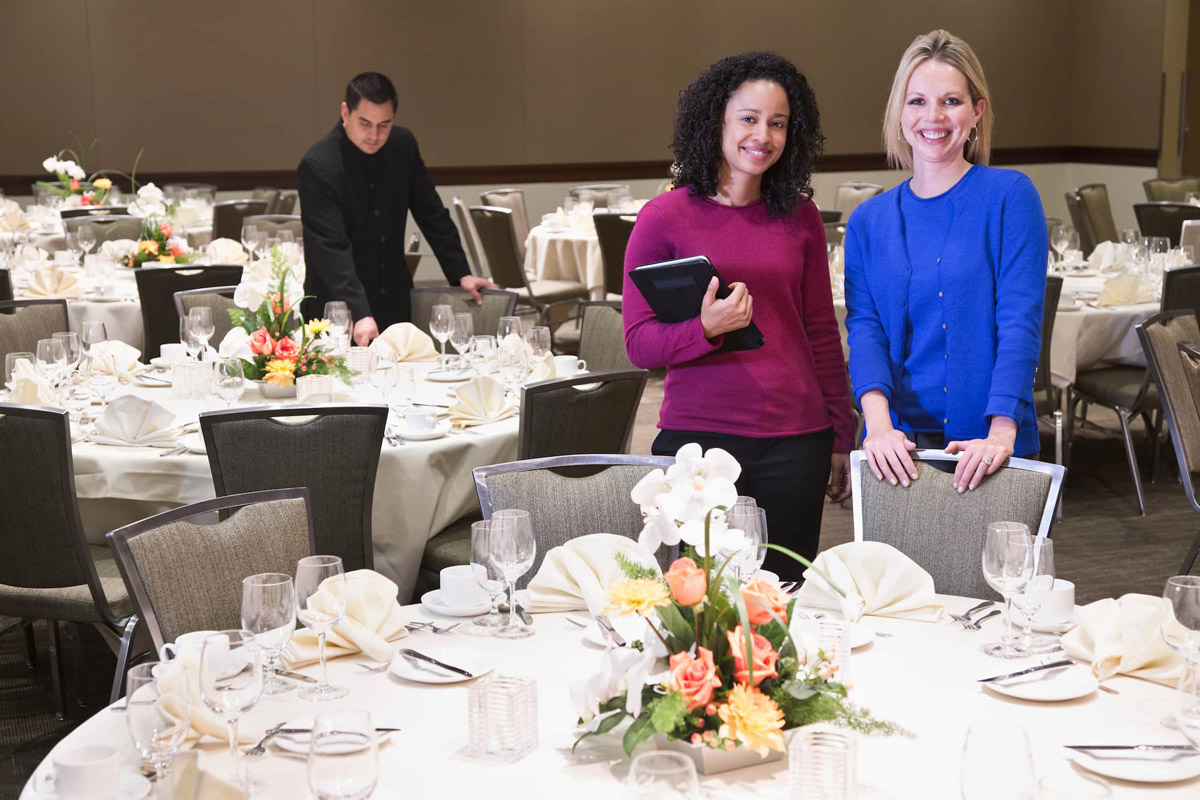
Main image – gettyimages Credit: Jetta Productions Inc
Want to shape the future of events?
Explore our bachelor’s degree designed for aspiring hotel event managers. Learn the business, master the logistics and start your journey in event leadership.
Bachelor of hospitality management
Related industry news

Hospitality Careers

Hotel management
Event planning business: how to start and grow your own company

Hospitality Careers
Hotel management
Event planning business: how to start and grow your own company