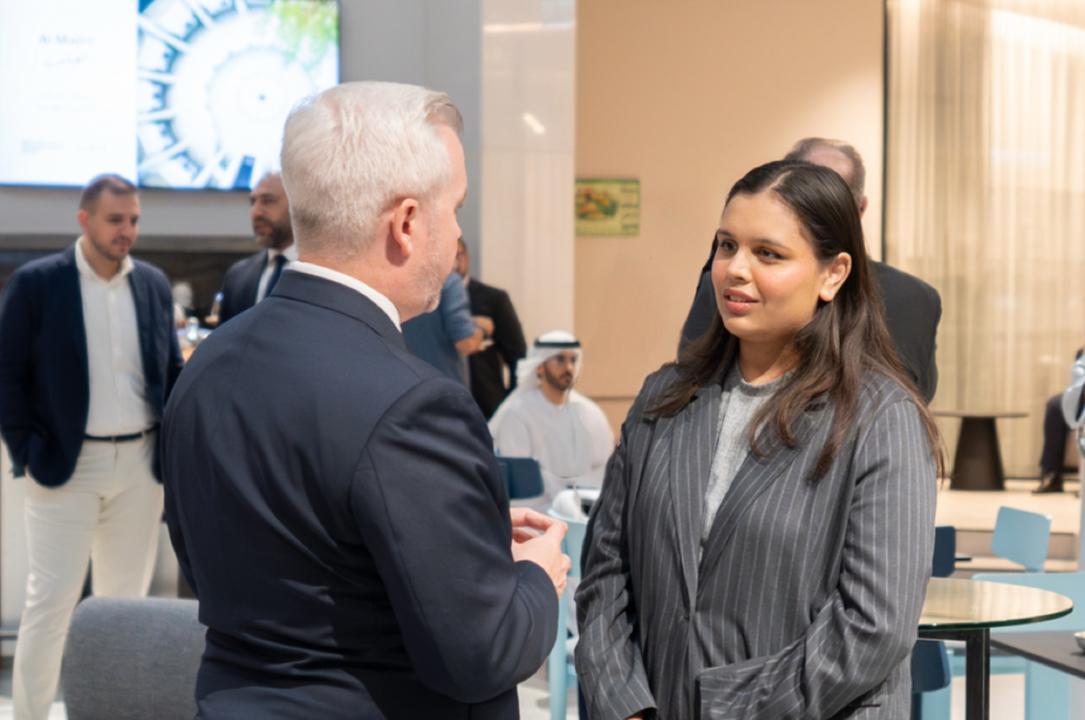
Event management internships: gaining hands-on experience in the industry
4th October, 2025

In this article
- What event management internships offer that classrooms cannot
- Event management internships: building skills in corporate, sports and hospitality sectors
- What to expect from your first event management internship
- Internship success stories: student experiences in global placements
- How to land the right event management internships
- Turning event management internships into long-term careers
- Internships are the industry’s best classroom
Internships have become an essential step for anyone looking to enter the events industry. While more than 80% of US event planners have at least a bachelor’s degree (Zippia), most employers want something you cannot get from a classroom alone. They are looking for proof you can handle pressure, think on your feet and deliver results when it counts.
That’s why internships have become the real gateway for launching a career in events. By stepping into actual roles, you get to experience the realities of the job first hand. Whether you’re supporting a high-profile sports tournament, coordinating events at a hotel or helping manage a large conference, you’ll face the kind of challenges that reveal what the job is really like.
Each experience helps you discover your strengths, adapt quickly and build the professional reputation employers want.
But what does it actually take to turn an internship into a lasting career? Keep reading to see how hands-on experience can set you apart in one of hospitality’s most competitive and creative fields.
What event management internships offer that classrooms cannot
No matter how strong your academic background is, nothing prepares you for the real pace and challenges of the events world like hands-on experience. Event management internships bridge the gap between theory and practice, helping you build the confidence and skills that employers truly value. They provide:
1. Real-time problem solving
Event management internships teach you to handle pressure, adapt to changing circumstances and make quick decisions. Learning these skills in a live setting matters because every successful event relies on someone who can stay calm and fix issues before they escalate.
2. Building professional relationships and teamwork
Every internship, whether in corporate event planning or sports event management, puts you in touch with professionals, vendors and clients. You’ll work alongside these seasoned experts, learning how to communicate clearly and work as part of a team. These relationship-building skills are critical in event management, where collaboration and networking often open the door to future opportunities.
3. Career clarity and industry confidence
By taking part in event management internships, you discover your strengths, preferences and potential career paths. This self-knowledge gives you the confidence to pursue roles that truly fit you while also helping you stand out in a competitive field.
4. Exposure to industry technology
Internships introduce you to event management software, registration platforms, audio-visual equipment and budgeting tools that you’ll use in the real world. Learning these systems matters because employers expect graduates to be tech-savvy and ready to hit the ground running.
5. Feedback and mentorship
Interns often receive direct feedback from experienced professionals and mentors. This guidance matters because it helps you improve your skills, avoid common mistakes and develop a professional mindset early in your career.
6. Building your professional portfolio
You may contribute to real projects and events as part of your internship. These experiences matter because they give you concrete examples for your resume and interviews and proof you’ve actually worked on successful events, not just studied them.
7. Understanding client and guest expectations
Interacting with real customers and attendees gives you insight into what people truly want from events. This first-hand understanding is crucial in event management, where guest satisfaction is everything.
If you’re studying at a global hospitality school such as Les Roches, internships are built into the learning experience. The school’s event management degree combines classroom training with real-world placements so students graduate with the knowledge and experience to stand out.
Event management internships: building skills in corporate, sports and hospitality sectors
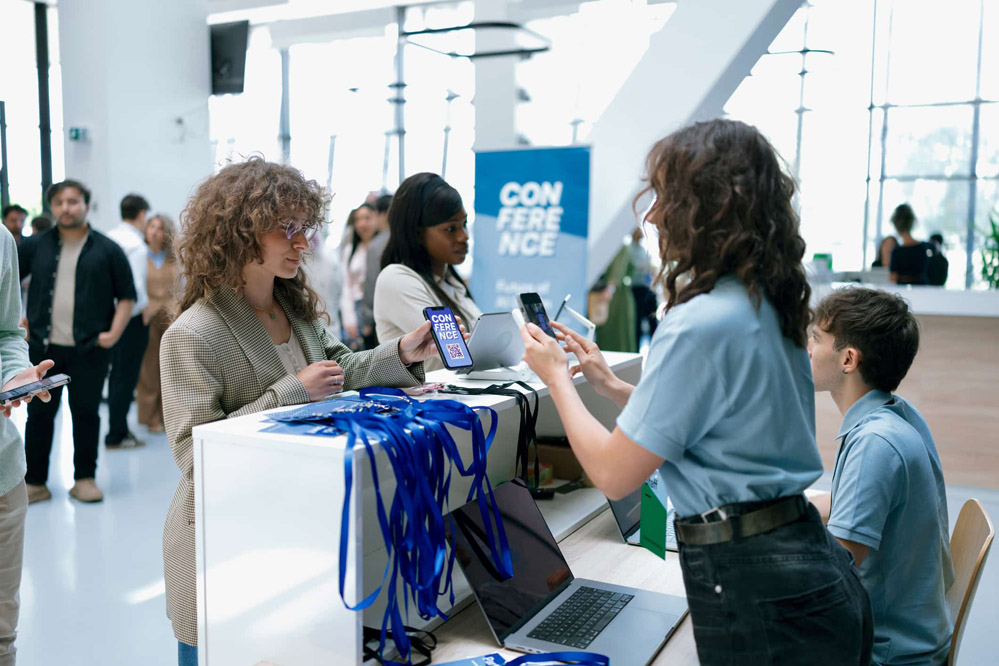
Where you complete your internship can set the tone for your entire career. Each sector exposes you to a different set of challenges, skills and networking opportunities. Below, we look at how internships in three key sectors can prepare you for a successful career in event management.
1. Corporate event planning internships
These put you at the heart of high-stakes business gatherings, from industry conferences and product launches to executive meetings and internal retreats. You’ll learn to manage demanding timelines, coordinate logistics for multiple stakeholders and maintain a professional image at all times.
Why this experience matters:
- You will develop critical supplier negotiation, budgeting and direct client management skills
- You will master the ability to stay composed and creative under pressure, as last-minute changes are common and expectations are high
Career opportunities: graduates with experience in the corporate sector are often recruited by event agencies, hotel conference teams and international businesses running large-scale events.
2. Sports event management internships
You’ll go behind the scenes at matches, tournaments, races and fan festivals. You might be involved in ticketing, athlete coordination, sponsor activations or crowd management, all under fast-moving, high-pressure conditions.
Why this experience matters:
- You will gain hands-on live crisis response and sponsor relations skills while coordinating multiple partners at once
- You will learn how to make decisions quickly and the importance of clear communication, both essential in any live event setting
Career opportunities: This sector opens doors to roles with sports marketing agencies, stadiums, athletic federations and organizers of major international competitions.
3. Hospitality and hotel-based event internships
Become immersed in luxury banquets, weddings, VIP dinners and themed celebrations, often inside five-star hotels or resorts. You’ll work on everything from menu planning and décor to guest lists and team coordination.
Why this experience matters:
- You will build your expertise in delivering guest service excellence, managing details across departments and creating memorable experiences
- You will learn how to anticipate guest needs and deliver personalized touches that make events stand out
Career opportunities: This path can lead to jobs in luxury hotels, destination resorts, boutique event agencies or high-end cruise lines where expectations for service and organization are always high.
According to Allied Market Research, the global event services market is projected to reach $1.55 trillion by 2028, with corporate, sports and hospitality events fueling that growth. Gaining hands-on experience in any of these sectors develops your skills and gives you a competitive edge when launching your career.
Les Roches students gain access to internships that shape careers in all sorts of places, from luxury hotels to global sports venues.

What to expect from your first event management internship
While every internship is different, most share several common experiences and challenges that will help develop your skills, confidence and career goals. Expect the following:
- A steep learning curve: tasks and expectations may change quickly, so you’ll need to be comfortable asking questions, taking notes and learning as you go. Mistakes are common and every correction helps you improve
- Observation is as important as action: much of your early growth comes from watching experienced professionals handle meetings, negotiations and challenges. Take time to observe how leaders interact with clients, resolve problems and manage the flow of an event
- Your input can make a real difference: even as an intern, your fresh perspective is valued. Don’t be afraid to share ideas, offer solutions or volunteer for new assignments. Initiative and enthusiasm are noticed
- Documentation and organization are key: you’ll likely be asked to help with tracking budgets, creating schedules or preparing reports after events. Developing good organizational habits now sets you up for future roles
- Professional reputation improvement: how you present yourself, handle responsibilities and respond to feedback will influence whether you’re recommended for future jobs. Being reliable and proactive helps you stand out
- Career path taking shape: by the end of your internship, you’ll have a clearer sense of the roles and event types that fit you best. This real-world perspective is invaluable as you plan your next steps in event management
You might start with small tasks, but how you approach them will determine how much responsibility you’re trusted with. Event managers remember interns who take initiative, ask smart questions and stay calm when plans change.
Internship success stories: student experiences in global placements
A well-chosen work placement can be the difference between a standard graduate resume and one that helps launch a global career. For many hospitality professionals, it’s this first practical experience that opens doors to roles with top employers around the world.
Students from Les Roches provide real evidence of how powerful internships can be for launching international careers. Maria Inés Coma Cobar used her internships at The Langham in London and the Ritz-Carlton in Vienna to build the kind of diverse, adaptable skillset global employers require.
Gabriela Gonzales Rubio also found her direction through hands-on experience in Budapest, where working in both events and fine dining gave her the edge for her first post-graduate role.
Read their full story
Sharon Lee’s London internship with Jumeirah Hotels and Javier Perez’s training at Mandarin Oriental in Barcelona both gave them the cultural insight and professional confidence needed to move quickly into roles at luxury hotels worldwide.
Read their full story
For alumnus Jose Fernandez, starting out as an intern at Rosewood London led directly to management positions in several countries. The professional connections and practical training he gained helped him build a career with global reach.
Read his story
These alumni stories from Les Roches highlight how the right internship can launch an international career, help build a valuable global network and create opportunities with leading brands. The experience gained during these internships sets the stage for success in the hospitality industry.
How to land the right event management internships
When it matches your interests, supports your growth and connects you with industry professionals, the right internship can set the stage for a highly successful career in events.
Consider these steps for finding an internship that fits:
1. Start with your school’s network
If you’re studying a hospitality or event-related degree, make use of your university’s placement team or careers services. Schools such as Les Roches have long-standing partnerships with luxury hotel groups, event agencies and international sports organizations, which can open doors that are hard to access independently.
Many placements are pre-screened, structured and come with built-in mentoring, making them ideal for first-time interns.
2. Explore industry platforms
Go beyond campus by exploring dedicated job boards and professional sites such as HOSCO, Eventbrite, WorkInSports and LinkedIn. Filter opportunities by sector and location to find roles with brands, festivals and agencies. Company websites and social media, including those for Marriott, IMG, Red Bull and Cvent, also regularly list openings.
3. Build your network early
Attend industry events, webinars and career fairs to meet professionals and alumni. Direct outreach, whether it’s a thoughtful question or a LinkedIn message, can help you uncover opportunities that aren’t publicly posted. Personal recommendations often lead to valuable introductions.
Turning event management internships into long-term careers
What you do during and after your placement can shape your future job prospects, industry reputation and professional network. To make your internship work for you long after your final day, try these practical steps:
1. Take initiative every day
Don’t just wait to be told what to do. Offer help, ask to shadow different teams and follow up with feedback. Your initiative shows you’re ready for more responsibility. Interns who ask smart questions and take ownership of small tasks often get invited to do more.
2. Build a record of your experience
Track your projects, challenges handled and feedback received to strengthen your resume and interview responses.
3. Stay connected after your placement ends
After your internship, send a thank-you note to supervisors and colleagues. Add them on LinkedIn and keep in touch now and then. Even if there’s no job opening right away, maintaining those connections can lead to recommendations or referrals in the future.
4. Reflect on what worked (and what didn’t)
Every internship will teach you something about the roles you enjoy, the environments you thrive in or the type of company culture you want next. Use what you learn to focus your next job search or internship application.
Internships are the industry’s best classroom
You can study the principles of event management at school, but it’s during an internship that you truly learn how to handle real challenges and see the impact of your work. Every event you help organize, guest you assist and problem you help solve builds confidence and capability that no textbook can match.
Employers recognize the difference, often choosing candidates who have already proven themselves in real settings. With the industry evolving and competition for roles increasing, practical experience helps you stand out.
If you’re serious about event management, there’s no better place to start than with an internship that challenges and inspires you. What you do now will shape where you go next.
Main image – gettyimages Credit: Eva-Katalin
Ready to specialize in sports, business or global events?
Build the practical skills, global mindset and industry contacts to succeed in competitive event careers.
Sports management and events
Related industry news