Types of event management: different specializations in the industry
7th October, 2025
In this article
- Corporate events: driving business goals
- Social and private events: crafting unforgettable experiences
- Cultural and entertainment events: managing large-scale experiences
- Sports event management: combining logistics and fan experience
- Government and non-profit events: mission-led execution
- Experiential brand activations: where marketing meets live engagement
- Environmental and sustainable events: purpose-driven planning
- Luxury event management: delivering unforgettable experiences
- Hybrid and digital events: blending online and in-person experiences
- The value of specialization
- Career paths in event management
- Future trends shaping event management
- Keep learning and growing
- Conclusion: finding your path in event management
When people think of event management, they often picture red carpet galas or massive festivals. But the industry covers much more than that. From corporate product launches to educational conferences and charity fundraisers, each type of event needs a unique approach.
To succeed in this field, you need strong planning, communication and creative skills. As guest expectations evolve, many professionals choose to specialize in one or a few specific types of events.
Today’s most sought-after event managers also develop niche skills in areas such as venue sourcing, logistics, event marketing and digital tools.
In this guide, you’ll explore key event management specializations, what each involves, the types of roles available and the skills professionals need to succeed.
Corporate events: driving business goals
These include team meetings, trade shows, global conferences and networking events. Corporate event planners create experiences that help drive internal communication, brand awareness and business growth.
Key responsibilities:
- Plan logistics for seminars, product demos and executive gatherings
- Manage speakers, event branding and attendee engagement
- Work closely with marketing and sales to boost visibility and leads
- Oversee vendors, contracts and tech set-ups, including audiovisual (AV) tools
Common roles in corporate events:
- Corporate event manager: leads the planning and execution of business-related events
- Internal communications lead: manages messaging and engagement within the company
- Project coordinator: supports event timelines, budgets and logistics
- B2B event specialist: focuses on trade shows, networking events and business functions
These roles call for good planning skills, attention to detail and the ability to work under tight deadlines, especially when results impact sales or leadership goals.

Social and private events: crafting unforgettable experiences
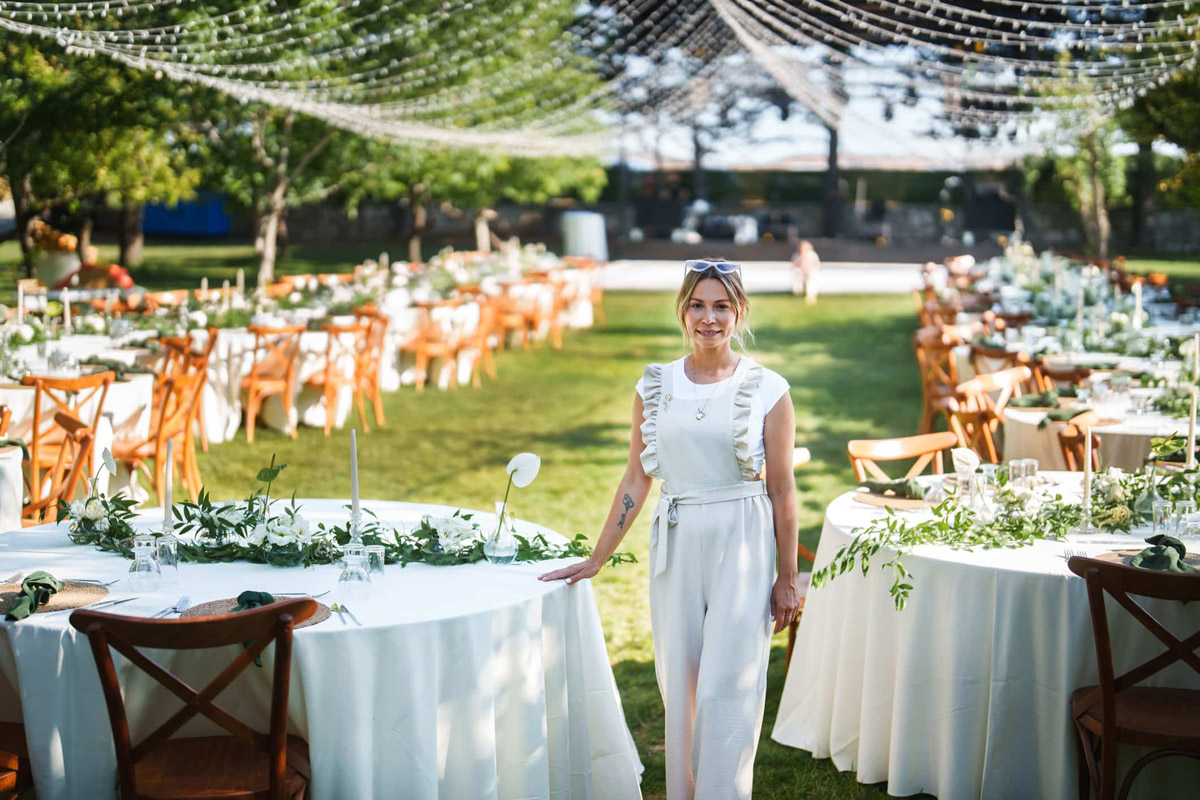
From weddings and birthdays to anniversaries and baby showers, social events frequently revolve around personal milestones. These require creative flair, emotional sensitivity and precise coordination.
Key features:
- Client collaboration: work closely with customers to decide themes, décor and venue styling
- Vendor coordination: handle bookings for florists, caterers, entertainers and other service providers
- On-the-day management: solve real-time issues while keeping everything on schedule
Typical roles:
- Wedding planner: leads design and coordination for the entire event
- Party planner: handles customized private celebrations
- Social events coordinator: manages logistics for a variety of personal gatherings
Many in this field work independently or through boutique agencies. Flexibility, creativity and great client communication are essential.
Cultural and entertainment events: managing large-scale experiences
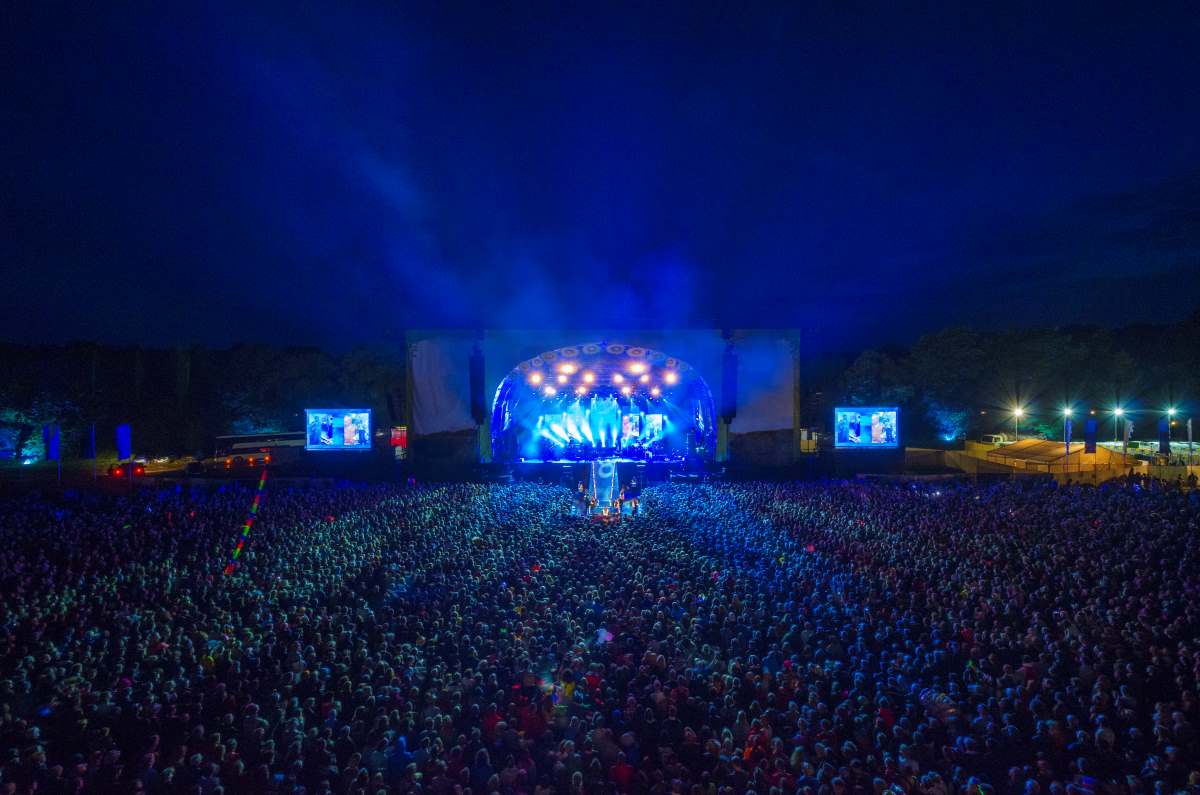
Music festivals, fashion shows, film screenings and art exhibitions all demand detailed logistics and creative execution. They often involve live audiences, large venues and dynamic teams.
Core responsibilities:
- Venue and sponsorship setup: secure event spaces and work with sponsors and ticket platforms
- Talent and crew coordination: manage performers, production teams and security operations
- On-ground execution: handle crowd control, merchandise sales and media access zones
Roles in this area:
- Festival producer: oversees the entire festival experience from concept to execution
- Stage coordinator: manages performer schedules and backstage operations
- Cultural event planner: organizes exhibitions or showcases around arts, heritage and creative expression
This path suits professionals who thrive in fast-paced, high-energy environments, especially those passionate about entertainment and live cultural experiences.
Sports event management: combining logistics and fan experience
These events require precise planning for teams, athletes, sponsors and fans. One of the most popular types of outdoor events, they can involve live streaming, merchandising and large crowd coordination.
Key tasks:
- Athlete and match logistics: schedule matches and manage athlete travel and needs
- Venue and sponsorship: oversee setup, ticketing and sponsor activations
- Fan experience design: add engagement zones, social media tie-ins and streaming capabilities
Roles in this field:
- Match day manager: runs all operations during the event from setup to final whistle
- Sports event coordinator: plans and manages logistics in collaboration with multiple stakeholders
- Fan engagement lead: designs interactive experiences to boost spectator involvement
Professionals with skills in event tech, mobile apps and sustainability are especially in demand. Earning a degree in sports management or event planning can significantly boost your career in this niche.
Government and non-profit events: mission-led execution
These events serve public causes, ranging from charity fundraisers and community days to awareness campaigns and policy launches. They require strong partnerships, clear goals and careful budgeting.
Key tasks:
- Community focus: ensure outreach, inclusion and accessibility for all attendees
- Stakeholder collaboration: partner with volunteers, NGOs and government bodies
- Budget and compliance: work within tight budgets and meet funding or transparency requirements
Common roles:
- Government event officer: plans official events, ceremonies and civic programs
- Community planner: coordinates local events with a focus on participation and impact
- Fundraising coordinator: designs events aimed at donor engagement and goal-based funding
- Non-profit event planner: leads charity and awareness events from concept to execution
These roles suit professionals drawn to mission-led projects and working with diverse teams.
Experiential brand activations: where marketing meets live engagement
Immersive experiences are becoming the go-to strategy for brands looking to connect with audiences. They include pop-ups, influencer-led meetups and interactive displays, all designed to spark emotional engagement in highly visible or unconventional spaces.
Key features:
- Immersive storytelling: use visuals, sound and live interaction to create memorable moments
- Direct product engagement: offer hands-on experiences with strong social media potential
- Pop-up flexibility: enable fast set-up in public or outdoor spaces for maximum exposure
Typical roles:
- Brand experience manager: leads the planning and delivery of interactive brand events
- Experiential producer: manages logistics, vendors and creative execution
- Event designer: creates visual and thematic elements that bring the brand to life
This path suits creative professionals who combine design skills with marketing strategy. Many work with agencies or work freelance on bold, trend-driven campaigns.
Environmental and sustainable events: purpose-driven planning
The push for eco-friendly practices is transforming how events are designed and delivered. This is especially true for many types of outdoor events, such as environmental festivals or open-air corporate gatherings, where reducing impact has become a top priority.
Core strategies:
- Waste reduction: minimize waste and avoid single-use items wherever possible
- Green partnerships: choose eco-certified vendors and renewable energy options
- Digital adoption: use electronic tools for check-ins, updates and carbon tracking
- Guest engagement: communicate sustainability goals in clear, engaging ways
Roles in this space:
- Sustainable event manager: plans events with environmental goals at the core
- Green operations planner: ensures sustainable practices across all event elements
- ESG event advisor: helps align events with broader environmental and social standards
This field suits professionals focused on purpose, innovation and environmental impact. Many work in education, non-profits or corporate sustainability teams.
Luxury event management: delivering unforgettable experiences
Exclusive gatherings such as celebrity weddings and black-tie affairs focus on high-end details and personalization for elite clients. Every experience must feel refined, seamless and bespoke.
Defining features:
- Bespoke design: tailor décor, dining, music and lighting to client preferences
- Premium collaboration: work with top-tier vendors and concierge-level teams
- Privacy and precision: manage guest privacy and provide discreet, culturally attuned service
Key roles:
- Luxury event planner: delivers high-end celebrations with exceptional detail
- VIP experience manager: curates elite experiences from entry to exit
- Destination event specialist: coordinates events across global high-profile locations
Professionals in this space need precision, emotional intelligence and experience in luxury hospitality. Many start in five-star venues before building their own event careers.
Hybrid and digital events: blending online and in-person experiences
The shift toward digital and hybrid events has changed how people plan and attend. These formats are now common for everything from product launches to full-scale conferences. They allow organizers to reach a global audience, cut travel costs and track results more easily.
Popular event formats:
- Online expos and webinars: product demos, expert panels and audience Q&As
- Virtual networking: digital meetups, remote workshops and breakout rooms
- Hybrid setups: combining in-person events with live streaming and digital access
- Fully virtual sessions: offer content such as fireside chats or panel talks on demand
Key tasks in digital event planning:
- Platform selection: choose tools and build user-friendly event websites
- Registration and updates: manage sign-ups and automated email reminders
- Audience engagement: use apps, polls and interactive tools to attract and maintain attention
- Accessibility and support: provide captions, downloads, translations and live tech support
Career roles in this area:
- Virtual event producer: manages full digital events from planning to broadcast
- Hybrid event manager: coordinates online and on-site elements
- Digital content host: presents and moderates sessions for virtual audiences
- Platform and tech coordinator: handles setup, streaming, analytics and troubleshooting
Success in this space means being creative, organized and comfortable with tech tools. Knowing how to use event apps, live streaming and audience tools gives planners a real edge.
The value of specialization
As the event planning industry grows, many professionals choose to focus on one type of event. This helps them build trust, deliver better results and grow a rewarding career.
Why specialization matters:
- Relationship building: create long-term ties with venues, clients and vendors
- Expertise development: gain a deeper understanding of regulations, marketing and operations
- Focused portfolio: showcase work in one area to attract premium clients
- Higher earning potential: charge more as your skills and results become highly specialized
Take a non-profit event planner, for example. With a focus on community and charity events, they may become an expert in public funding or grassroots planning. A sports event coordinator might go on to work with pro leagues on fan engagement or event technology.
A social event planner could build a niche around birthday parties, holiday events or team-building events for growing businesses.
Choosing an area of focus is a smart career move, but it means staying up to date. That’s why many professionals invest in continued education to sharpen their skills and unlock new opportunities.
Gain the knowledge, skills and experience needed to succeed in event management with the guidance of industry leaders at Les Roches.

Career paths in event management
Whether you’re just starting out or looking to grow your expertise, the types of event management jobs available today offer real variety. There’s high demand for people who are organized, creative and ready to solve problems at all kinds of events, from music festivals to virtual gatherings.
Entry-level roles
Common starting points include:
- Event assistant: supports planning teams with admin tasks and scheduling
- Event coordinator: helps organize logistics and vendor communication
- Marketing assistant: assists with promotions, social media and outreach
These jobs can involve helping with venue selection, managing guest lists and learning how social, networking and educational events are delivered. It’s a great way to build confidence and gain real-world experience.
Mid-level positions
Roles that require a few years of experience include:
- Event manager: leads day-to-day planning for medium-sized happenings
- Project manager: oversees event timelines and budgets
- Program planner: builds event content, including agendas and speakers
- Event marketing specialist: works on branding, email campaigns and engagement
At this level, many start to focus on a niche, such as sporting occasions, non-profit fundraisers, luxury experiences or hybrid events. Tasks may include vendor selection, budget control and running a small team.
Senior leadership roles
Advanced roles that require more experience include:
- Event director: oversees large teams and multi-event portfolios
- Chief experience officer: shapes event vision and brand alignment
- Head of experiential marketing: leads brand-focused events across regions
These jobs combine leadership with strategy. You might manage high-profile stakeholders, direct the full event program and work across industries such as hospitality, fashion or tech.
Entrepreneurial paths
Many experienced planners start their own businesses or work as independent consultants. Opportunities include:
- Destination wedding planner: designs high-end, travel-based weddings
- Gala event organizer: manages black-tie and corporate events
- Food and drink event planner: runs tastings, festivals or pop-ups
- Community event planner: focuses on local, cultural or public initiatives
- Fashion or film event planner: coordinates runway shows or screenings
Thanks to apps, digital tools and registration software, it’s now easier to launch new concepts or offer services in areas like event technology, sustainable practices or venue management.
What about salaries?
Pay depends on location, role and event type. Here’s a general guide:
- Event assistant: $42,000–$81,000 per year (Source)
- Event manager: $42,000–$100,000 a year, depending on size and complexity (Source)
- Senior event coordinator: $90,000+ for high-end or international projects (Source)
Future trends shaping event management
The industry is evolving rapidly as audience expectations increase and digital tools become more sophisticated. To stay competitive, professionals must keep pace with the latest trends, including:
1. Data-driven decisions
Event management software and customer relationship management (CRM) tools are enabling more data-informed planning. These tools help organizers to:
- Personalize programs and agendas
- Segment guests by interest or behavior
- Adjust communication strategies before and after events
- Optimize layout using traffic and flow data
Event apps also support live feedback and smart scheduling, helping planners measure ROI and continuously improve future events.
2. Immersive formats and tech
Experiential marketing events now include tools such as AR, VR and projection mapping. These are popular for:
- Virtual sports previews
- Augmented panel discussions with interactive features
- Sensory experiences at fashion or product shows
These tools support engagement and social sharing, making them ideal for brand growth.
3. Inclusive and accessible planning
More events now focus on:
- Closed captions and live translation
- Gender-neutral signage and facilities
- Quiet zones for sensory needs
- Fully accessible apps and websites
These features aren’t just thoughtful extras; they’re often required for public grants or sponsorship.
4. Scaling sustainability
Green practices have become practically non-negotiable in today’s event planning circles. Planners now:
- Reduce waste using digital solutions
- Track emissions using carbon tools
- Work with green vendors and eco-certified venues
- Report ESG metrics for accountability
The shift toward event greening and ESG reporting creates new career options in sustainable logistics and sourcing.
Keep learning and growing
Staying competitive in the event management industry means remaining flexible, learning new tools and adapting to changing formats. Whether it’s improving digital workflows, refining communication or leading complex projects, continuous growth is key.
Professionals who combine strong planning skills with tech confidence and people-focused thinking are the ones shaping the future of events.
Conclusion: finding your path in event management
There are many types of events to explore, each offering something different. Whether you’re interested in brand activations, green conferences or private events, focusing on one area can help you stand out.
Event management is a career built on energy, detail and human connection. If you like solving problems, planning experiences and working with people, it could be the right fit.
Main image – gettyimages Credit: Ugur Karakoc
Dreaming of leading standout events worldwide?
Build real-world experience, leadership and strategic skills for the fast-moving world of international event planning.
Masters in sports management and events
Related industry news
Industry News

Hospitality Careers

Industry News
Hospitality Careers