Luxury hotel marketing strategies for standing out in a competitive market
11th October, 2025
In this article
- What is luxury hotel marketing?
- How to create a luxury hotel marketing plan
- Luxury hotel marketing examples
- Challenges in luxury hotel marketing
- How online hotel management tools support luxury marketing
- How to build a long-term brand in luxury hospitality
- Charting your path in luxury hotel marketing
Every luxury hotel claims to offer the best. The plush linens. The signature scent. The ‘unforgettable’ service. But with high-end properties on every corner, how do you make your hotel the one that guests remember – the one they talk about, return to and recommend? Most never figure it out.
If you’re aiming for more than pretty photos and five-star basics, you need to know what actually gets guests talking and keeps them coming back. What separates the brands that sell out their penthouses from those scrambling for bookings?
Keep reading and you’ll find out how learning the essentials of luxury hotel marketing can transform your approach and set your property apart.
What is luxury hotel marketing?
Luxury hotel marketing is the art of turning a high-end property into a must-visit destination. With so many choices available to upscale travelers, the most successful hotels stand out by creating an immediate sense of exclusivity, comfort, and emotional connection from the moment a guest arrives.
Rather than simply promoting rooms, luxury brands sell a feeling. They use compelling stories, stunning visuals, and unforgettable experiences to spark desire. The focus is on emotion, atmosphere, and personalized moments that cannot be found elsewhere.
Every touchpoint, from a guest’s first website visit to a tailored welcome, is crafted to build loyalty and leave a lasting impression. The result is a hotel that does not just meet expectations but becomes part of the guest’s story. It is an experience they are eager to share.

How to create a luxury hotel marketing plan
Every successful luxury hotel relies on a plan that puts the brand’s unique strengths and guest experience at the center. Use the following steps as your blueprint:
1. Define your brand DNA
Start with identity. What makes your hotel special? Is it your design, location, sustainability practices or a sense of heritage? This ‘brand DNA’ will inform all your messaging.
Clarify your core values, tone of voice and guest promise. Make sure everyone, from your marketing team to your front desk staff, can articulate this clearly. Establish a strong brand identity that aligns with your target audience and supports long-term reputation management.
2. Understand your audience
Segment your ideal guests. Are they UHNWIs (ultra-high-net-worth individuals), couples seeking romance, corporate travelers who expect boutique luxury or eco-conscious explorers?
Develop detailed persona profiles and track guest feedback, preferences and behaviors across digital touchpoints. Luxury travelers are diverse and your messaging should speak to the right micro-segment through emotional marketing and personalized services.
3. Audit the guest journey
Map out how guests find you (SEO, social, word-of-mouth), how they book (direct or via an OTA or metasearch engines such as Skyscanner), their on-site experience and your post-stay communications. Each interaction should feel thoughtful, high-end and consistent. Leverage your customer relationship management (CRM) system to personalize touchpoints and build strong customer engagement.
Every stage of the guest journey, from awareness to loyalty, must reflect your luxury positioning.
4. Choose the right marketing mix
Luxury hotels should use an integrated blend of online and offline strategies:
- Digital: SEO, content marketing, PPC, social media marketing, influencer marketing, email marketing, retargeting and digital video advertising
- Offline: events, partnerships, travel agents, PR and high-end print campaigns that complement your digital presence
- On-property: guest-facing content such as in-room magazines, branded signature amenities, welcome letters and curated experiences that improve the customer experience
Ensure consistency across your hotel website, booking engine and social media campaigns to deliver a coherent brand experience.
5. Set measurable goals
Success in luxury hotel marketing depends on tracking the right metrics. Look beyond web traffic to focus on average daily rate (ADR), direct booking ratios, guest retention, review sentiment and return on investment. Apply analytics and guest feedback to improve your campaigns and raise standards across every channel.
Crafting marketing strategies that resonate
Luxury hotels compete in a crowded field and the ones guests remember are those that surprise, delight and build real anticipation before check-in. If you want your property to stand out for the right reasons, focus on these practical, proven marketing strategies:
Personalization through data
Modern luxury is tailored. Use CRM tools and first-party data to personalize marketing communications from pre-arrival emails to loyalty offers and digital concierge experiences.
For example, if a guest previously booked a wellness retreat, they might appreciate being sent exclusive invites to yoga weekends or spa treatments.
Storytelling and brand heritage
A great story sells. Luxury guests want to feel emotionally connected to your hotel.
Highlight your history, local roots, unique founder vision or creative philosophy through editorial-style content. Use blog posts, video storytelling and photography to elevate your hotel beyond a physical space.
Influencer and celebrity partnerships
Luxury hotels benefit from association. Work with carefully chosen influencers or celebrities whose followers align with your target guests.
Invite them for an immersive stay and encourage organic storytelling via Instagram, YouTube or TikTok, with content focused on experiences, not just the aesthetics.
Visuals that spark desire
Hire a specialist hotel photographer who understands how to capture high-end design and signature amenities. Think sweeping drone footage, close-ups of artisan cocktails, soft candlelit spas and hand-crafted welcome gifts. Don’t over-edit; authenticity sells. Your visuals should match your pricing.
Exclusive packages and experiences
Luxury travelers want access they can’t get elsewhere. Create one-of-a-kind experiences, such as private yacht dinners, art workshops or chef-led tastings and promote these across your digital channels.
Luxury SEO and content strategy
Affluent guests often research deeply before booking. Create long-form blog posts, area guides, behind-the-scenes features and video diaries that match their search intent.
Incorporate search terms and keywords that reflect your guests’ specific interests, such as destination, type of accommodation, curated experiences and distinctive amenities.
Digital advertising and retargeting
Meet your guests where they spend time online. Use platforms such as Meta, Pinterest and Google to run visually-led ads that showcase the essence of your brand.
Create segments for warm audiences (those who have visited your website) and cold audiences (lookalikes or high-income, geo-targeted travelers). Use retargeting to nudge abandoned bookings with dynamic ads.
Premium PR and media placements
Getting featured in titles such as Condé Nast Traveler, Travel + Leisure or Forbes Travel Guide can do more for your brand than a thousand paid clicks.
Invest in a PR agency that understands luxury travel. Or build long-term relationships with travel editors and writers by hosting press stays and attending trade shows.
Brand collaborations
Team up with premium fashion, wellness or gastronomy names. Whether it’s a La Mer spa suite or a Dom Pérignon pairing dinner, partnerships elevate perception and cross-pollinate audiences.
Hyperlocal immersion
High-end travelers crave culture and authenticity. Offer unique experiences such as local market tours, cooking classes or history walks led by in-the-know guides.
Include these on your website and social media and tie them to your destination positioning.
Gain deep insights into brand storytelling, service design and elite guest experience to lead in luxury hospitality.

Luxury hotel marketing examples
Curious how leading hotels manage to transform marketing into memorable experiences? The following brands are masters at mixing strategy, storytelling and innovation to set the standard for luxury hospitality:
1. The Ritz-Carlton – storytelling through service
Ritz-Carlton’s legendary Gold Standards shape each guest encounter. Its marketing brings real staff stories to life, spotlighting moments of genuine care and attention. Sharing these stories through video and social channels builds loyalty and strengthens the brand’s emotional appeal.
2. Six Senses – sustainable luxury
This brand has carved a niche in eco-friendly practices and regenerative travel. Its marketing highlights sustainability, locally inspired spa treatments, organic cuisine and immersive guest involvement in environmental initiatives. This appeals to a growing segment of high-net-worth individuals who value conscious travel. User-generated content from guest participation often drives further reach via Instagram and blogs.
3. Aman Resorts – exclusivity and privacy
The high-end group targets UHNWIs with a strategy that hinges on privacy, luxury resort minimalism and emotion-led brand storytelling. Its sparse content strategy of rarely showing people and avoiding flashy visuals intentionally builds mystique. Aman Resorts’ marketing embodies 5-star service without overt claims, positioning it as a lifestyle brand rooted in serenity and exclusivity.
4. Badrutt’s Palace – destination-led content
This iconic Swiss hotel integrates local experiences into its content strategy, positioning St. Moritz as part of its identity. Its marketing includes luxury travel guides, seasonal newsletters and features on skiing, art and culture. This destination-first approach improves brand reputation while delivering rich SEO and blog content for the hotel website.
5. Rosewood Hotels – lifestyle editorial approach
Following its ‘A Sense of Place’ philosophy, Rosewood has developed a luxury marketing campaign that includes printed magazines, curated content on culinary trends, arts and interviews with designers and influencers. This lifestyle-driven approach builds emotional resonance while attracting aspirational travelers through elegant copywriting, curated imagery and experiential storytelling.
Challenges in luxury hotel marketing
To remain competitive, the world’s top hotels must navigate obstacles and an evolving landscape where the stakes are high and guest expectations change quickly. Staying ahead means recognizing the real challenges shaping today’s strategies.
Saturation of high-end offerings
The luxury hotel industry is highly competitive, with brands increasingly offering similar amenities. To stand out, marketing must go beyond beautiful visuals and reflect authenticity, purpose and unique guest value.
Changing expectations
Luxury travelers want sustainability, technology-driven convenience and personal touches woven throughout their journey. Brands must adapt their marketing to reflect these changing preferences.
Distribution pressures
With OTAs and metasearch engines dominating traffic, maintaining direct booking volumes is a constant challenge. Hotels must strengthen their SEO keywords, reputation management and online reputation management to boost control and margin.
Staffing shortages
Marketing a luxury product that cannot be delivered due to lack of staff risks causing damage to the brand. Collaboration between operations and marketing is critical to maintain consistency and customer satisfaction.
Maintaining consistency across properties
Hotel groups must deliver a unified message across locations while allowing each property to celebrate its local character. Balancing global standards with regional flavor is a constant challenge.
How online hotel management tools support luxury marketing
Today’s luxury hotels rely on powerful digital platforms to connect every part of the guest journey and make high-end marketing work harder. The following online hotel management tools enable hotel teams to tailor offers, strengthen relationships and boost performance in a competitive market:
CRM and guest data platforms
These allow customer segmentation and AI-driven personalization across emails, offers and website content. Use this data to elevate loyalty programs, build guest trust and increase conversion rates.
PMS integrations with marketing tools
Hotels that sync their property management system (PMS) with marketing platforms enable real-time responses, automated upselling and campaign execution based on guest journeys.
Reputation and review management platforms
These platforms inform digital marketing decisions by revealing brand sentiment trends. This ensures proactive resolution and helps refine messaging to boost return on investment.
Content management systems (CMS)
A modern CMS allows quick edits, targeted landing pages and seasonal updates, which are vital for timely offers and improving search rankings.
AI-powered chatbots and concierge tools
These tools offer 24/7 guest support, suggest personalized upgrades and handle inquiries, enhancing experience and improving conversion.
Revenue management platforms
Enable pricing flexibility based on demand, competitor benchmarking and dynamic packaging. This boosts revenue and informs performance marketing campaigns.
How to build a long-term brand in luxury hospitality
Your success in the long run depends on building a powerful, emotionally resonant brand:
- Be consistent: from your logo to your web design to in-room amenities, every detail counts
- Invest in substance: exceptional service and guest interaction remain your most effective marketing tools
- Innovate wisely: stay attuned to changes in fashion, wellness and tech and adapt accordingly
- Empower your team: every touchpoint is marketing. Train staff to deliver experiences that match your promises
Charting your path in luxury hotel marketing
Standing out in luxury hospitality is all about creating real moments that guests remember and inspiring them to return. The most successful professionals in this field know how to combine data, creativity and genuine service to build unforgettable brands.
If you see your future in this industry, the next step is building the right foundation. Explore hospitality careers you can grow in and see how the right hospitality degree can move you into roles where you shape guest experiences, elevate brands and lead the next wave of luxury hotel marketing.
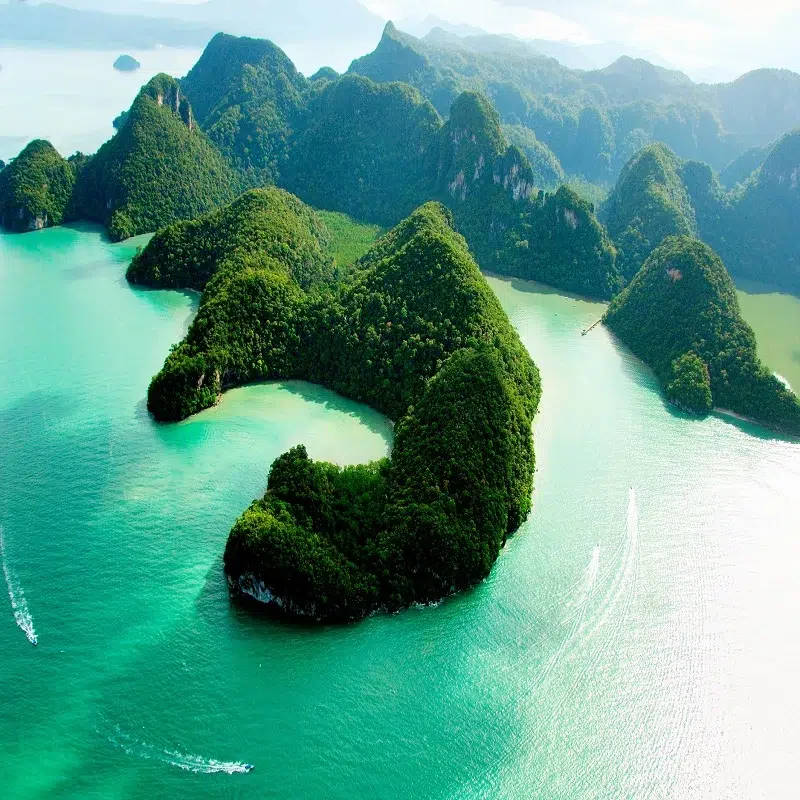
Main Image – gettyimages Credit: Vanit Janthra
Step into luxury hospitality with confidence
Discover how to manage a hotel, build your brand and lead in the world’s most prestigious properties.
Explore master of science in marketing and management
Related industry news